
Your New Passport: Quick Checklist
- Check It: Make sure all your info is correct.
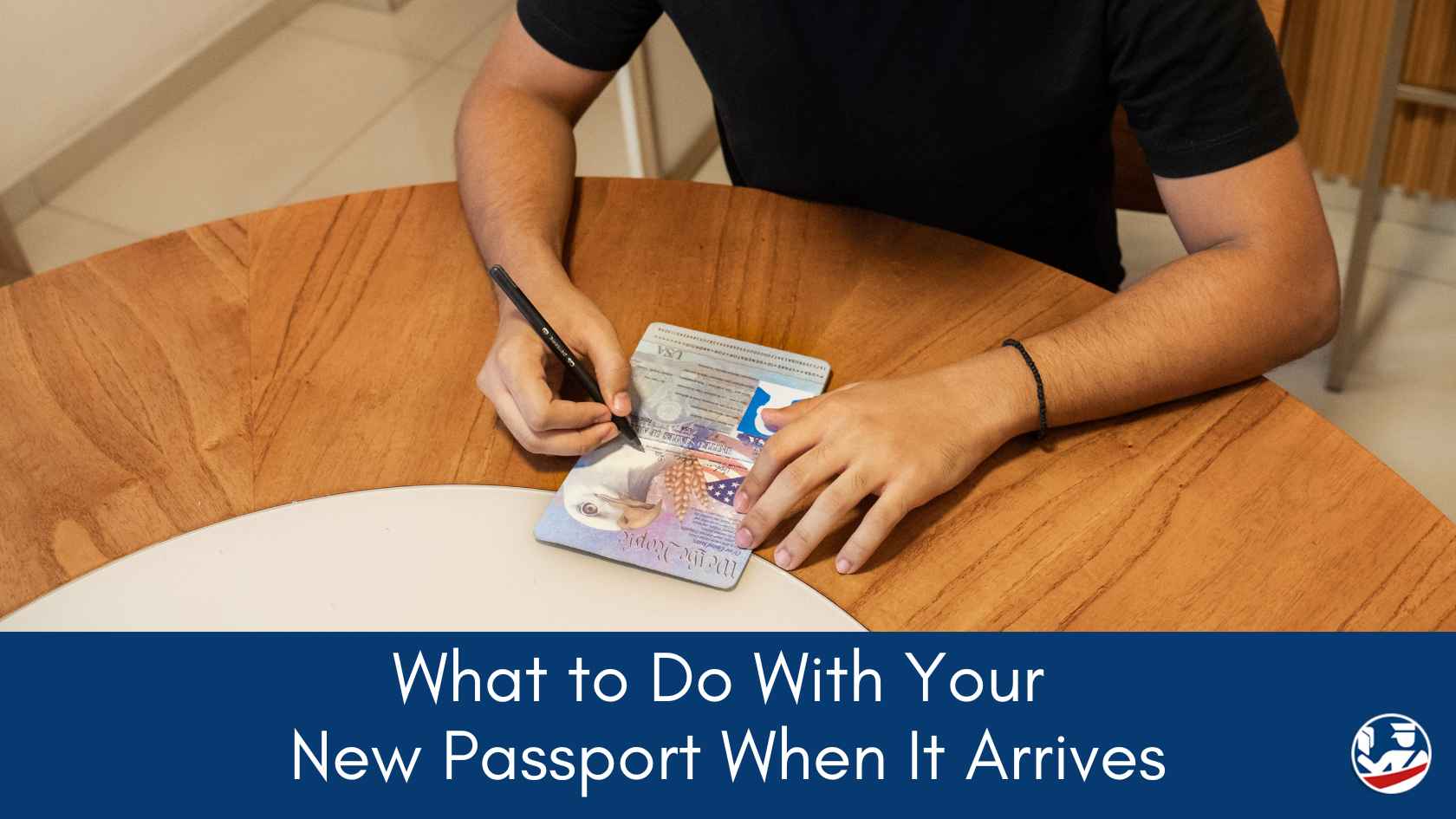
- Sign It: Use a black pen to sign page 3.
- Fill It Out: Add emergency info on page 4 in pencil.
- Copy It: Make digital and paper copies.
- Protect It: Keep it in a safe case.
- Store It: Find a secure spot for it at home.
- Use It: Take that international trip you've been dreaming of.
1. Check Your Passport for Errors
First, open your new passport to the "personal data page" (page 2). This is the page with your photo on it. Carefully check all the information for any mistakes. Look at your:- Full Name (check spelling)
- Photo (make sure it's you)
- Date and Place of Birth
- Gender
- Passport Number
- Issue Date and Expiration Date
- Use it!
What to Do If You Find a Mistake
If you find a typo or incorrect information, you need to get it fixed.- If your passport is LESS than 1 year old: You can use Form DS-5504 to correct the error for free. If you need it quickly, you can apply for urgent correction. You will get a new passport that is valid for 10 years.
- If your passport is MORE than 1 year old: You can still get it corrected for free, but the expiration date will stay the same as your original passport.
2. Sign Your Passport
Turn to page 3. You must sign your passport here to make it valid.- Use a pen with black ink.
- Your signature should match the name printed on page 2.
Note on Signatures: What if I make a mistake?
If you make an error (like signing your old name or your spouse's name), draw one straight line through the incorrect signature. Then, sign correctly right above it.
3. Fill In Your Emergency Information
Turn to page 4. You will see a place to add your address and an emergency contact. This is very important if something happens to you while traveling.Important: Use a Pencil
Your passport is valid for 10 years, and your address or emergency contact will likely change. Write all information on this page in pencil, so it can be updated as needed.
4. Make Digital and Physical Copies
Making copies is a critical step. If your passport is lost or stolen, having a copy will make the replacement process much easier, especially at a U.S. Embassy or Consulate abroad.Digital Copies
- Scan your passport's data page (page 2).
- Email a copy to yourself.
- Save a copy to a secure cloud service (like Google Drive or Dropbox).
Physical Copies
- Make at least two paper photocopies.
- Leave one copy at home with a trusted friend or family member.
- Bring the other copy with you when you travel.
Travel Safety Tip
When you reach your hotel, lock your original passport in the room safe if you feel it is safe to do so. Carry the photocopy with you as you go out sightseeing. This lowers the risk of your official passport being lost or stolen.
5. Get a Passport Holder or Case
A passport case or holder helps protect your passport from damage and protects your data. A damaged passport cannot be used for international travel.- It protects from damage: It keeps your passport from getting bent, creased, scrateched or torn. Check out bestselling passport covers here.
- It protects your data: All new passports have an RFID chip. An RFID-blocking case stops thieves from scanning your passport's electronic chip and stealing your personal information.
6. Store Your Passport Safely at Home
When you are not traveling, keep your passport in a secure location. The best place is a fire-proof and waterproof safe at home such as the bestselling SentrySafe Fire-Safe Waterproof Chest.- Avoid storing it in a bank's safety deposit box or a public storage unit. You may not be able to get it quickly if you need it for an emergency trip or last-minute vacation if if falls on a weekend or holiday.
7. Your Passport is Ready for Travel
Your passport is now checked, signed, and secured. It is now a valid document for international travel.
Additional Steps to Take Before Traveling
A valid passport is only the first requirement for international travel. Take these additional steps before your trip to avoid problems, meet your destination's entry rules, and protect yourself while abroad.
1. Confirm You Received All Supporting Documents
If you sent original documents, such as your birth certificate or old passport, make sure they were returned. These original documents sometimes arrive in a separate envelope a few days after your new passport.
2. Review Visa, Entry, and Passport Validity Requirements
Every country has its own entry rules. Before booking your trip, check the requirements for each destination on your itinerary, including countries where you have a layover or connecting flight.
- Check if you need a regular entry visa, e-visa, or ETA for your destination.
- Make sure your passport has enough validity for your destination, whether that is three months, six months, or another requirement. Many countries require your passport to remain valid beyond the dates of your trip.
- Review the official Country Information Page for your destination before you travel.
3. Check Blank Passport Page Requirements
Some countries require one or more blank passport pages for entry stamps or visas. Before you travel, check the blank page requirement for your destination on the State Department's Country Information Pages. If your passport is almost full, you may need to apply for a new passport before your trip.
4. Review Travel Advisories for Your Destination
Before traveling, review the current Travel Advisory for your destination. Travel Advisories can include important information about safety, security, entry and exit rules, local laws, health concerns, and areas to avoid.
5. Register with the Smart Traveler Enrollment Program (STEP)
Enroll for free in the STEP program. This helps the nearest U.S. embassy or consulate contact you or your family in case of an emergency while you are abroad.
6. Make Copies of Your Passport and Travel Documents
Make physical and digital copies of your passport before you leave. Keep one copy separate from your actual passport, leave another copy with someone you trust at home, and save a secure digital copy that you can access if needed. You may also want to copy your visa, travel insurance card, driver's license, itinerary, and emergency contacts.
7. Save U.S. Embassy or Consulate Contact Information
Before you leave, save the contact information for the nearest U.S. embassy or consulate in your destination country. This is especially important if you need to replace a lost or stolen passport, if you need emergency assistance, or if there is a crisis while you are abroad.
8. Know How to Report a Lost or Stolen Passport
If your passport is ever lost or stolen, act quickly.
- Report the lost or stolen passport using Form DS-64.
- If your passport was stolen, consider filing a report at the nearest police station, especially if local authorities, your airline, or your travel insurance provider require documentation.
- Contact the nearest U.S. embassy or consulate if you are outside the country and need a replacement passport to return home.
- Review the State Department's official guidance for a lost or stolen passport.
9. Add Your Passport to Your Emergency Plan
Include a copy of your passport in your home emergency folder. Keep it with other vital documents like birth certificates, driver's licenses, insurance cards, and important account information in a firesafe and water proof safe . Keeping these documents together makes them easier to find during an emergency.
Compare Your Fast Passport Options
If routine service is too slow, you may need an agency appointment or help from a registered courier. Compare your options before you decide.

